Let’s Not Just Build What’s Possible - Let’s Build What’s Humane
May 2, 2025
I’ve recently started a new chapter in my work, a role focused on AI innovation and experimentation.
On paper, it’s exciting: I get to explore cutting-edge tools, test bold new ideas, and imagine the future of how we work, shop, connect, and create.
But if I’m being honest, it’s been more than just exciting. It’s also been deeply personal.
Because while I spend my days learning about models, vendors, and pilots, I spend my nights and weekends navigating something that no algorithm can solve.
My mom is living with Alzheimer’s. My dad is moving through the complexities of Parkinson’s.
And in that space, the space between technology and humanity, I’ve come to realize something that’s become a quiet truth for me:
AI is not just about tools. It’s about people.
It’s about what we choose to do with these tools, and how those choices affect the people around us. It’s about how we hold space for fear, not just ambition. And it’s about how we lead with empathy, especially when change is moving faster than anyone can fully process.
AI has helped me in small but deeply meaningful ways.
I’ve used it to translate overwhelming medical information into something actionable and human. To help my parents remember. To summarize short and long stories. To translate documents into their native language. To make their lives, even just a little, better.
I’ve also used it to structure my thoughts when I’m too exhausted to think clearly. To reconnect with stories, routines, and memories I thought were slipping away.
It’s not magic. But some days, it feels close.
And still, I know this same technology that offers so much hope can also bring a quiet, creeping fear.
I’ve seen it in meetings. I’ve heard it inside conversations. People wonder: Am I being replaced? Will I be relevant next year? Do I even belong in this new version of work?
That fear is real. And it’s not weakness, it’s human.
And right now, empathy is not optional. It’s essential.
As AI continues to move from labs to laptops, from demos to daily routines, I believe we have to re-center the conversation.
We have to stop assuming people will “figure it out” on their own, or that enthusiasm is universal.
We have to remember that every system we change has people behind it. And every automation we celebrate has a story connected to it, someone’s task, someone’s role, someone’s sense of contribution.
In moments like these, the most important thing we can do is lead with care.
Here is what we must expect from our leaders, now more than ever:
We must expect leaders to speak with clarity and compassion, not jargon and pressure. To not just announce change, but to accompany people through it.
We must expect leaders to ask the quiet questions out loud, like how people really feel, and what support they truly need to move forward.
We must expect leaders to normalize uncertainty, to validate the full emotional range people are carrying right now, from excitement to fear, from curiosity to grief.
We must expect leaders to see beyond productivity metrics and ask: Are we helping people feel grounded, valued, and included?
And we must expect leaders to lead by listening. Because the best solutions come from those closest to the problem, and they won’t speak up unless they feel safe to do so.
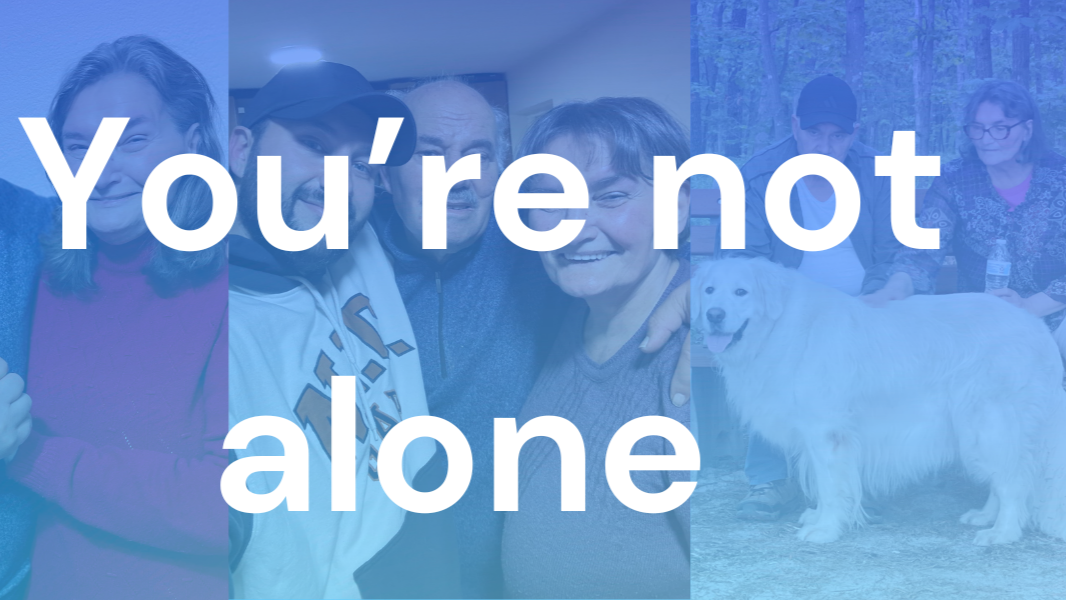
If you’re in this moment and feeling a bit unsteady, you’re not alone. If you’re inspired by AI but unsure how to talk about it with your team, you’re not alone. If you’re trying to figure out your place in this shifting landscape, I see you. Truly.
This is all new. It’s moving quickly. But we don’t have to move through it alone, or in silence.
Empathy won’t slow us down. It will shape how we move, with more integrity, with more wisdom, and with more heart.
Let’s not just build what’s possible. Let’s build what’s humane.
Yours,
Darko
Subscribe to Field Notes
Get my latest essays on Enterprise AI and Agentic Commerce delivered straight to your inbox.